Source Refractor Astronomical Telescope for Education, Hobby, and Observation
Compare 30 refractor astronomical telescope options from verified suppliers. Buyers can evaluate specifications like aperture, focal length, and magnification to find suitable models for educational, hobby, and observation purposes; compare the available evidence and request quotations based on your requirements.
Key considerations
Products List
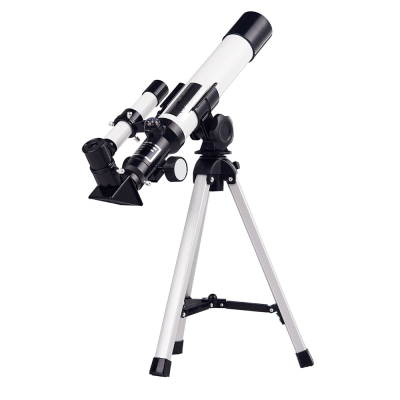


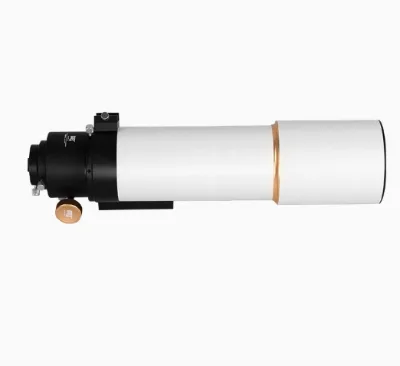
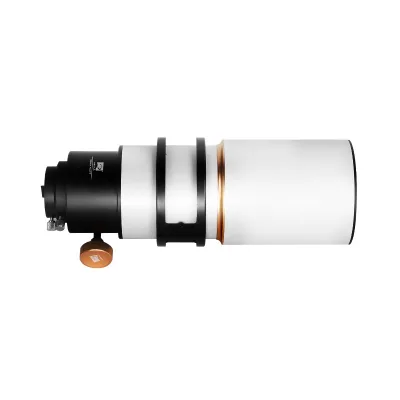


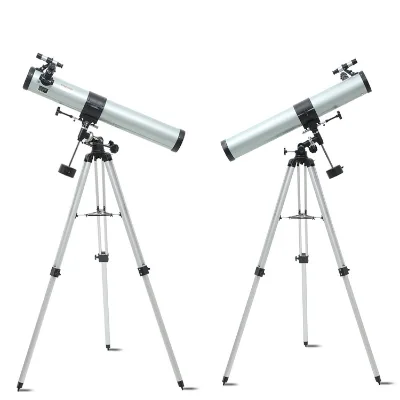




Comprehensive Sourcing Guide
Refractor Astronomical Telescope Sourcing Guide
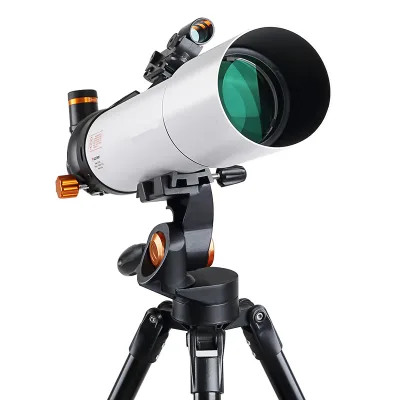
Buyers evaluating refractor astronomical telescopes must first distinguish between entry-level student models and advanced observational units based on aperture and focal length. The observed market data indicates a clear segmentation where student-grade units feature 40mm objectives with 400mm focal lengths, while higher-performance models offer 50mm to 60mm apertures with focal ratios ranging from F/10 to F/15. This distinction dictates the intended use case, as smaller apertures are optimized for general celestial viewing and educational demonstrations, whereas larger apertures provide the light-gathering power necessary for deep-sky observation.
Procurement decisions should also account for the specific optical design and mounting requirements inherent to these instruments. The available listings confirm that refractor designs dominate this category, utilizing glass lenses and aluminum alloy tubes to ensure durability and optical clarity. Buyers must verify whether the selected unit includes a diagonal prism for comfortable viewing angles and a finder scope, such as the 5X18 or 6X30 models observed, to facilitate accurate target acquisition. These structural components are critical for ensuring the telescope functions effectively in both static and mobile observational environments.
Product Scope and Observed Listing Signals
The current market for refractor telescopes presents a diverse range of configurations, primarily centered on educational and amateur astronomical applications. Listings frequently highlight specific model numbers like TB6093 or A4 series variants, which correspond to distinct optical specifications such as 400mm or 600mm focal lengths. These signals help buyers identify products tailored for specific magnification needs, with observed magnification levels typically ranging from 20X to 32X for student models, while more complex setups may support higher magnification through interchangeable eyepieces.
Commercial signals also reveal significant variation in packaging and physical dimensions, which directly impacts logistics planning. Single package sizes are commonly observed around 23x20x15 cm, with gross weights varying between 5.000 kg and higher values depending on the inclusion of tripods and accessories. Buyers should note that while some units are sold as single items, others may be part of a broader kit including adjustable aluminum tripods and specific eyepiece sets like Pl6.5mm and Pl25mm. Understanding these physical attributes is essential for calculating shipping costs and ensuring the product fits within the intended storage or transport constraints.
Technical Specifications to Verify
Optical performance is the primary technical criterion, requiring verification of objective aperture and focal length consistency against the stated specifications. Buyers must confirm that the objective diameter matches the intended light-gathering capability, with observed ranges spanning from 30mm to 60mm, and ensure the focal length aligns with the desired field of view and magnification potential. Discrepancies in these core metrics can significantly alter the viewing experience, making it imperative to cross-reference the listed focal ratios, such as F/10 or F/12, with the actual optical tube assembly to prevent performance shortfalls.
Mechanical and accessory specifications also demand rigorous scrutiny to ensure the telescope is ready for immediate use. The presence of a 90-degree diagonal prism and a compatible finder scope, such as the 5X24 or 6X30 models, is essential for practical operation. Additionally, the focusing mechanism, typically described as center focusing, must be tested for smoothness and precision. Buyers should also verify the material composition, ensuring the use of ABS and aluminum alloys for the tube and mount, as these materials provide the necessary rigidity and resistance to environmental factors during extended outdoor use.
Compliance and Safety Documentation
Regulatory compliance is a non-negotiable aspect of sourcing optical instruments, particularly when importing into markets with strict safety standards. The observed product data indicates that many units carry CE certification, which is a critical requirement for selling in the European Economic Area. Buyers must request valid test reports and certification documents to confirm that the electrical components, if any, and the mechanical structure meet the relevant safety directives. Relying solely on the presence of a CE mark on the product listing without verifying the supporting documentation can expose the buyer to significant regulatory risks.
Beyond general safety, specific product standards and origin declarations must be validated to ensure transparency and traceability. While some listings cite origins in Zhejiang or Chongqing, China, buyers should verify the exact place of origin against the commercial invoice and packing list to avoid mislabeling issues. Furthermore, the presence of additional standards like FCC for electronic accessories or specific product standards such as 400x40 should be confirmed. Ensuring that all documentation aligns with the physical product prevents customs delays and ensures the goods can be legally marketed in the destination region.
Cost Drivers and Commercial Terms
Pricing for refractor telescopes is heavily influenced by the complexity of the optical system and the inclusion of mounting accessories. The observed price range of 5.88 to 390 USD reflects the disparity between basic student models and more sophisticated units with larger apertures and advanced mounts. Buyers should analyze the cost per unit of aperture and focal length to determine value, as higher prices often correlate with better glass quality, more durable materials, and the inclusion of essential accessories like adjustable tripods and multiple eyepieces.
Minimum Order Quantities (MOQ) and customization options also play a pivotal role in the total cost of ownership. The market data shows an MOQ range from 1 to 1000 units, offering flexibility for small retailers while allowing bulk discounts for larger distributors. Customization services, such as OEM branding, are available but may incur additional costs or require higher volume commitments. Buyers must negotiate these terms carefully, balancing the desire for brand customization against the potential increase in unit price and the impact on inventory turnover rates.
Supplier Qualification and Quality Control
Supplier qualification requires a thorough assessment of manufacturing capabilities and quality assurance processes, particularly given the precision required for optical instruments. Buyers should verify that the supplier has a proven track record in producing refractor telescopes with consistent optical alignment and mechanical stability. The availability of OEM support suggests that the supplier can accommodate branding needs, but this capability must be backed by a robust quality control system that inspects every unit for defects in the lens, tube, and mounting hardware before shipment.
Quality control protocols should extend beyond final inspection to include material verification and performance testing. Since the products utilize aluminum alloy and plastic components, suppliers must demonstrate that these materials meet durability standards and do not degrade under typical usage conditions. Buyers should request sample units for independent testing to verify the accuracy of specifications such as the 40mm objective diameter and the 5.7° field of view. Establishing a clear quality agreement with the supplier ensures that any deviations from the agreed specifications are addressed promptly and effectively.
Long-Term Procurement Checks
Sustaining a successful procurement relationship requires ongoing monitoring of product consistency and supplier reliability over time. Buyers should implement a system for tracking defect rates and customer feedback to identify any recurring issues with optical performance or mechanical durability. Regular audits of the supplier's production lines can help ensure that the quality standards observed during the initial sampling phase are maintained throughout the production run, preventing a decline in product quality as order volumes increase.
Strategic planning for the product lifecycle is also essential to manage inventory and meet evolving market demands. Given the warranty period of one year observed in the listings, buyers must establish clear protocols for handling returns and repairs to maintain customer satisfaction. Additionally, staying informed about technological advancements in optical design and mounting systems will allow buyers to update their product offerings proactively. By maintaining a proactive approach to supplier management and product development, buyers can ensure long-term competitiveness in the astronomical telescope market.
FAQs
What is the aperture size of the Eleroyal refractor telescope?
The aperture size is less than 50mm, specifically ranging from 30 to 50mm across different models. This compact aperture makes the telescope suitable for students and beginners who need a lightweight instrument for basic astronomical observation without the bulk of larger professional gear.
Can I get OEM customization for these telescopes?
Yes, OEM customization is available for these refractor astronomical telescopes. Buyers can request specific branding or packaging adjustments to meet their market needs. This support allows businesses to create unique product offerings while leveraging the established manufacturing capabilities and quality standards of the supplier.
What certifications do these telescopes hold?
These telescopes hold CE certification, ensuring they meet European health, safety, and environmental protection standards. Some models also comply with FCC standards. This certification is crucial for B2B buyers importing into regulated markets, as it facilitates smoother customs clearance and demonstrates product compliance.
What is the focal length of the 40mm model?
The 40mm objective diameter model features a focal length of 400mm, resulting in an F/10 ratio. This specification provides a balanced view for planetary observation. The design ensures clear imagery while maintaining a manageable tube length, making it ideal for educational settings and hobbyist use.
What material is used for the telescope body?
The telescope body is constructed from aluminum alloy and plastic, with ABS components used for durability. This combination ensures the instrument is lightweight yet sturdy enough for regular use. The materials help reduce overall shipping weight while maintaining structural integrity during transport and setup.
What is the minimum order quantity for these telescopes?
The minimum order quantity ranges from 1 to 1000 units, offering flexibility for various buyer sizes. Small businesses can start with low volumes, while larger distributors can place bulk orders. This wide MOQ range accommodates different procurement strategies and inventory management needs for global buyers.
Where are these telescopes manufactured?
These telescopes are manufactured in Zhejiang and Chongqing, China. The production facilities in these regions are known for their expertise in optical instrument manufacturing. Buyers can expect consistent quality and reliable supply chains from these established industrial hubs, ensuring timely delivery for international orders.